
Faculty of scienceYour first step towards your future

News

Discover the 13 winners of the Fulbright program to strengthen Franco-American scientific cooperation at UGA

On February 9, 2026
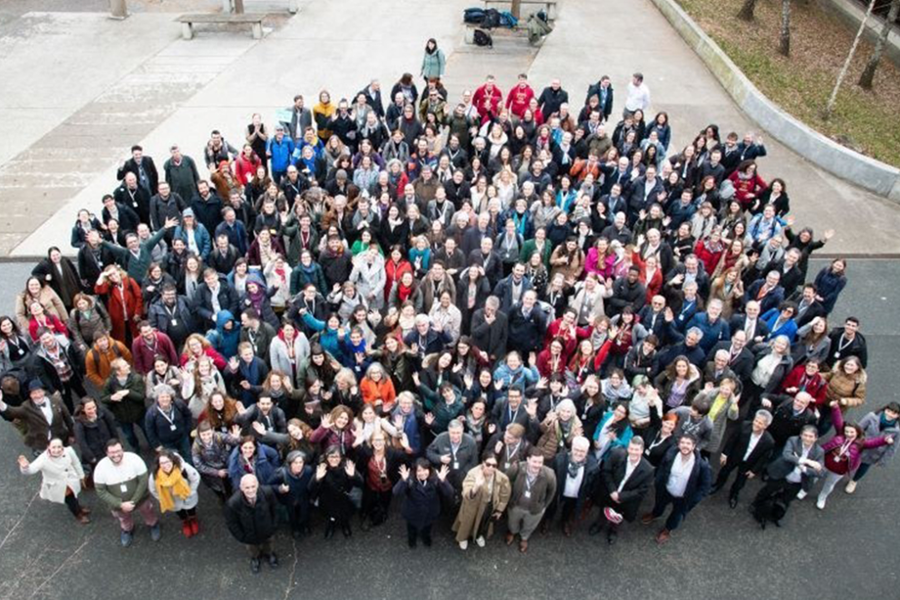
Committed for many years to the internationalisation of research, Université Grenoble Alpes continues to strengthen its collaboration with the prestigious Fulbright programme, which supports scientific mobility between France and the United States and fosters the development of long-term academic partnerships. Discover the 13 new winners who will benefit from this grant to continue their research and develop new collaborations.

Launch of the Jean-Pierre Raskin Senior Professor Research Chair to Accelerate the Transition towards More Sustainable Electronics

On December 16, 2025
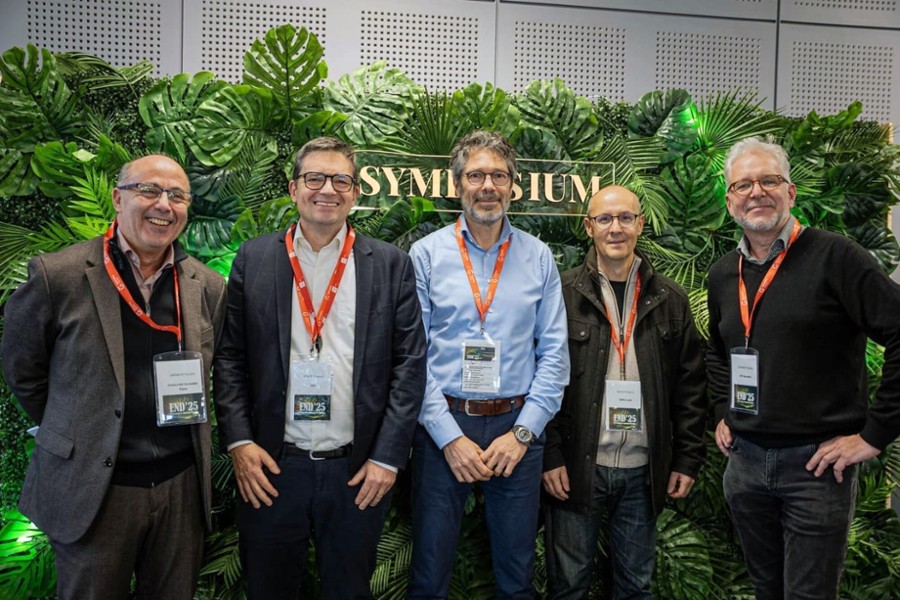
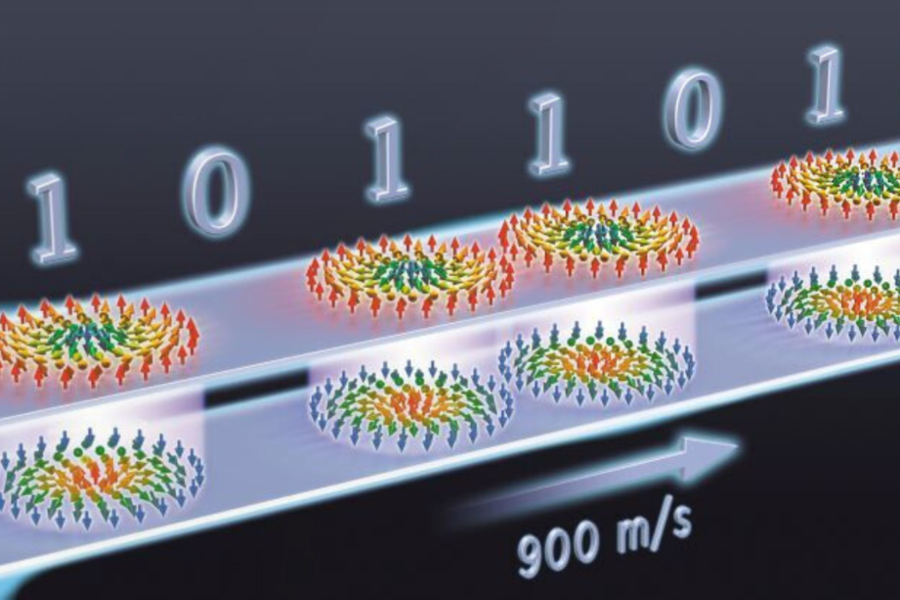
At the closing of the Symposium on Sustainable Electronics and Digital Technologies, Université Grenoble Alpes (UGA), through its Labex Microelectronics, and the Carnot Institute CEA-Leti, in partnership with the CNRS and the Nanoelec Institute of Technological Research (IRT Nanoelec), officially launched on 16 December 2025 the Jean-Pierre Raskin Senior Professor Research Chair. Focused on the theme of greener electronics, this Chair is part of the Grenoble site’s momentum towards more responsible, resource-efficient and technologically sovereign microelectronics.
Official opening

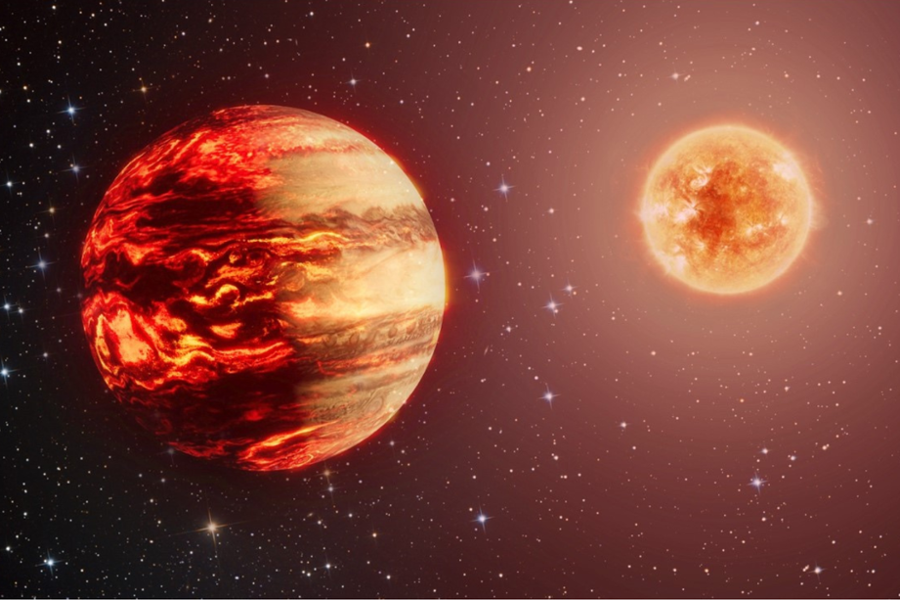
Accretion streamers feed and transform young protoplanetary disks

On November 26, 2025
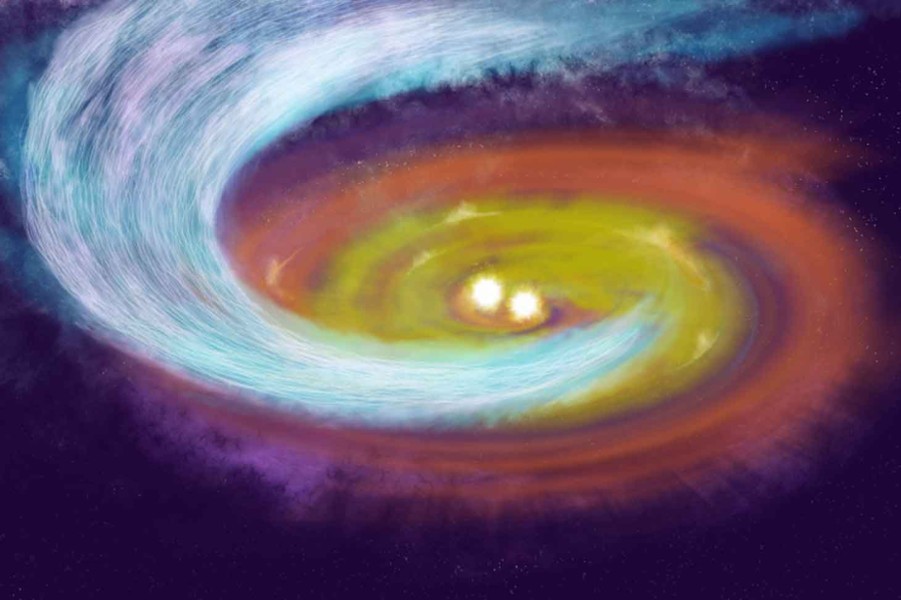
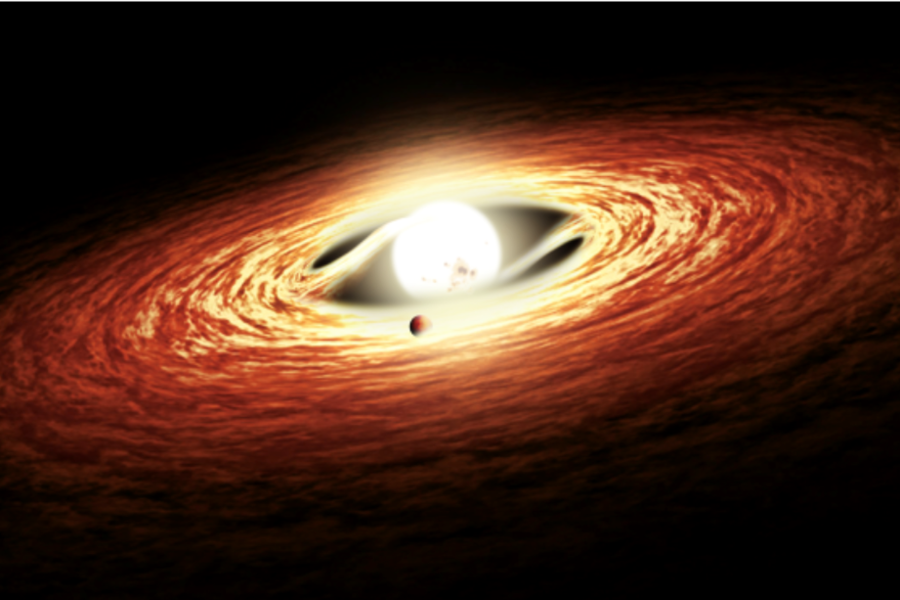
The NOEMA radio-interferometer has characterized an accretion streamer feeding a young protoplanetary disk. This flow of interstellar material has a major impact on the physical structure and chemistry of this disk, influencing how future planets would form in this system. This breakthrough was made possible by the work carried out by Maxime Tanious during his PhD thesis at the Institute of planetology and astrophysics of Grenoble (IPAG-OSUG, CNRS/UGA) and the Institut de radioastronomie millimétrique (IRAM – CNRS/MPG/IGN).

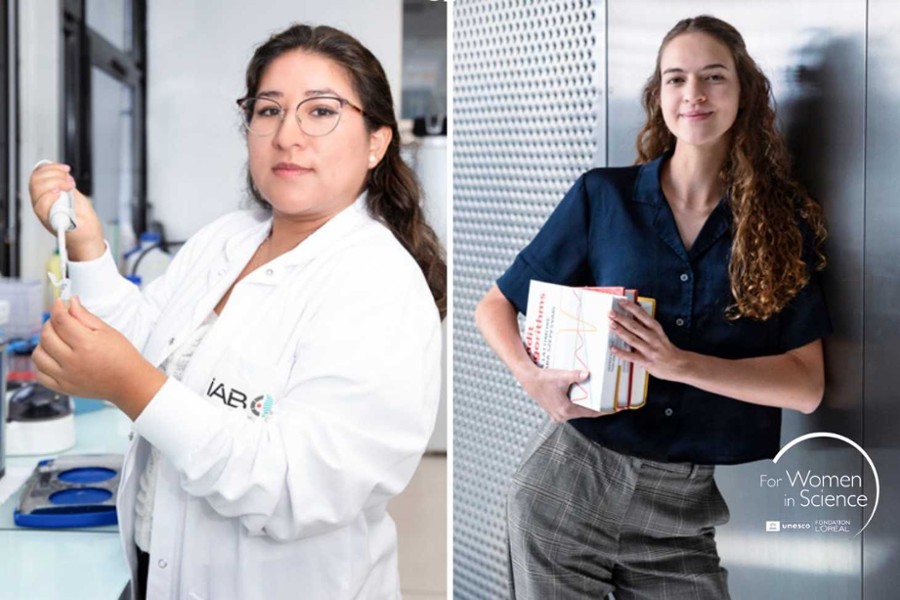
Two UGA doctoral students win the France Young Talents Award - L'Oréal-UNESCO for Women in Science

On October 10, 2025
On October 8, 2025, the L'Oréal Foundation, in partnership with the French Academy of Sciences and the French National Commission for UNESCO, announced the winners of the 19th annual L'Oréal-UNESCO For Women in Science Awards for Young Talents France 2025. Among the 34 doctoral and post-doctoral students honored, two UGA doctoral students stood out in the categories “Developing Therapies for the Future” and “AI and Modeling: Anticipating and Shaping the Future.”
Accolade/Award

Discovery of Atmospheric CO2 "Jumps" Over the Last 500,000 Years in Antarctic Ice Cores

On October 11, 2024
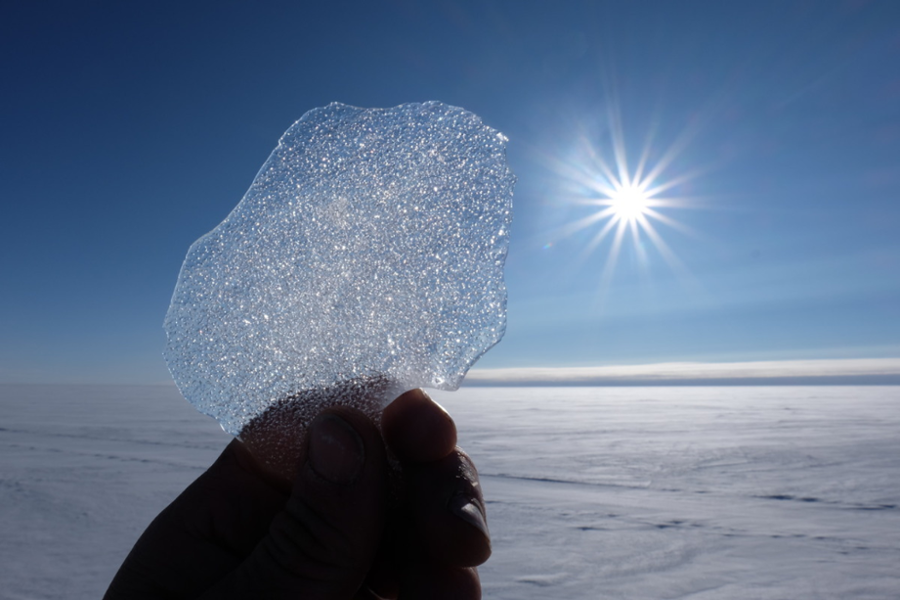
A new study, supported by the Make Our Planet Great Again program as part of the HOTCLIM project, and conducted by an international scientific team led by the Institute of Environmental Geosciences in Grenoble (IGE - CNRS/INRAE/IRD/UGA - Grenoble INP-UGA) in collaboration with the Laboratory of Climate and Environmental Sciences (LSCE - CEA/CNRS/UVSQ), the University of New South Wales, and the University of Bern, has revealed new rapid variations within global fluctuations of atmospheric carbon dioxide (CO2) concentrations over the past 500,000 years. These phenomena are called "CO2 jumps" and are significant events, although their rate of increase remains 10 times lower than the current rise in CO2 concentrations caused by human activities. The article has been published in the journal Nature Geoscience on Friday, October 11, 2024.

A great success for Beyond EPICA third drilling campaign: reached 1836 meters of depth in the Antarctic ice sheet

On February 27, 2024
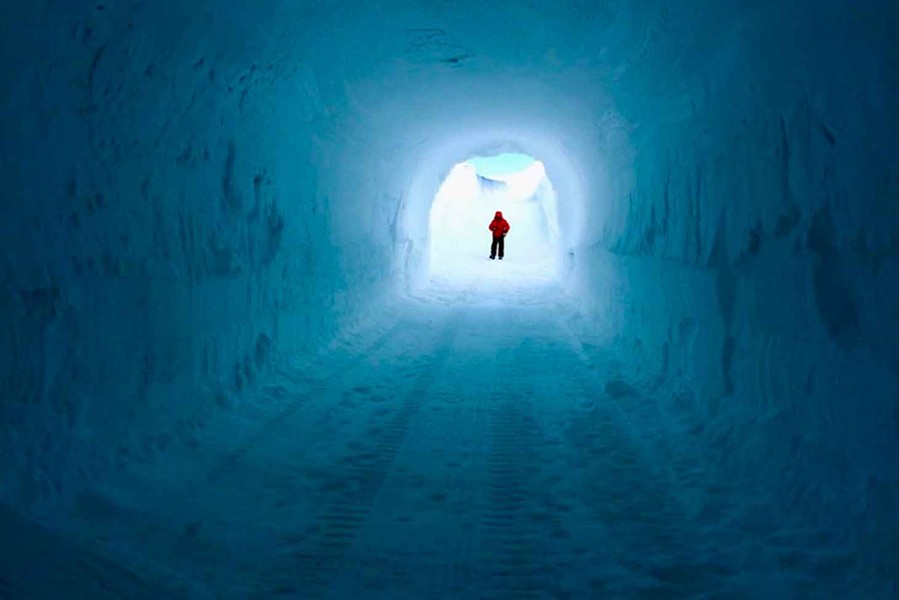
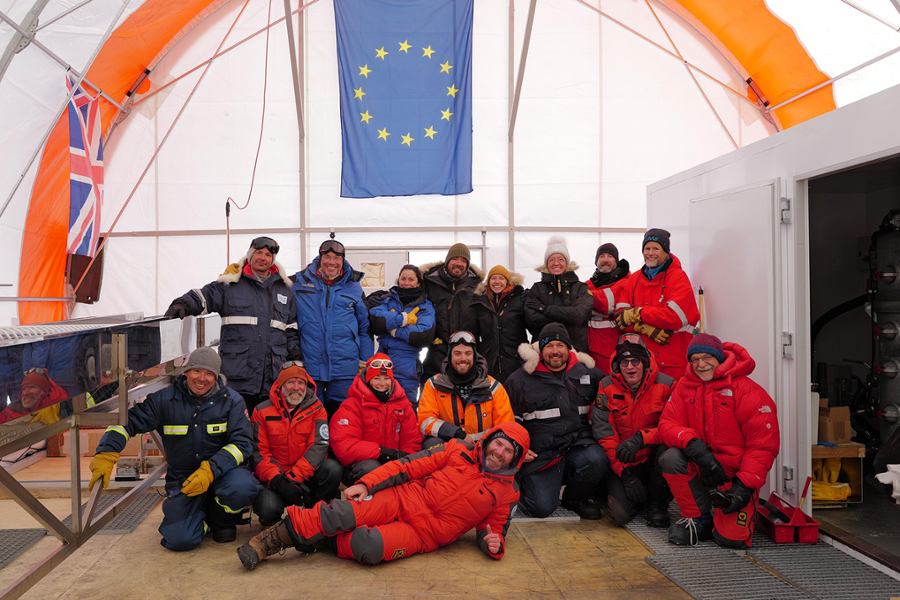
The international research project Beyond EPICA - Oldest Ice funded by the European Commission with 11 million euros and coordinated by the Institute of Polar Sciences of the National Research Council of Italy (CNR), aims to obtain data on the evolution of temperatures, the composition of the atmosphere and the carbon cycle, by going back in time 1.5 million years through analyzing an ice core extracted from the depths of the Antarctic ice sheet. By taking the legacy of last year's achievement, the complex deep ice drilling system worked days and nights, reaching a depth of 1836.18 meters by the end of this 23/24 campaign. In parallel with drilling activities, in the new processing trench at Little Dome C almost 1367 m of ice cores have been processed this season and sent to Mario Zucchelli Station to reach Europe
Announcement

Sandra Lavorel, ecologist in Grenoble, is awarded the CNRS 2023 Gold Medal

On September 21, 2023
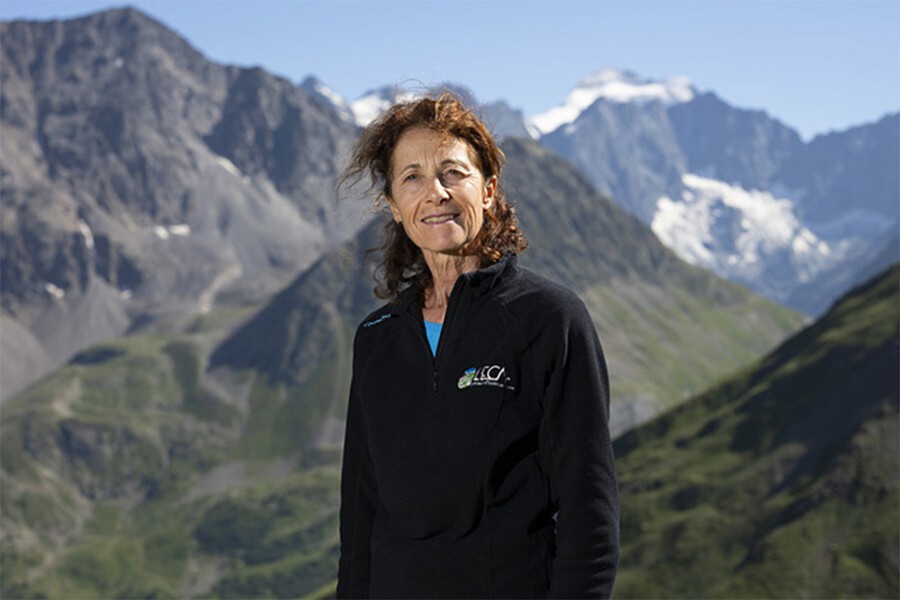
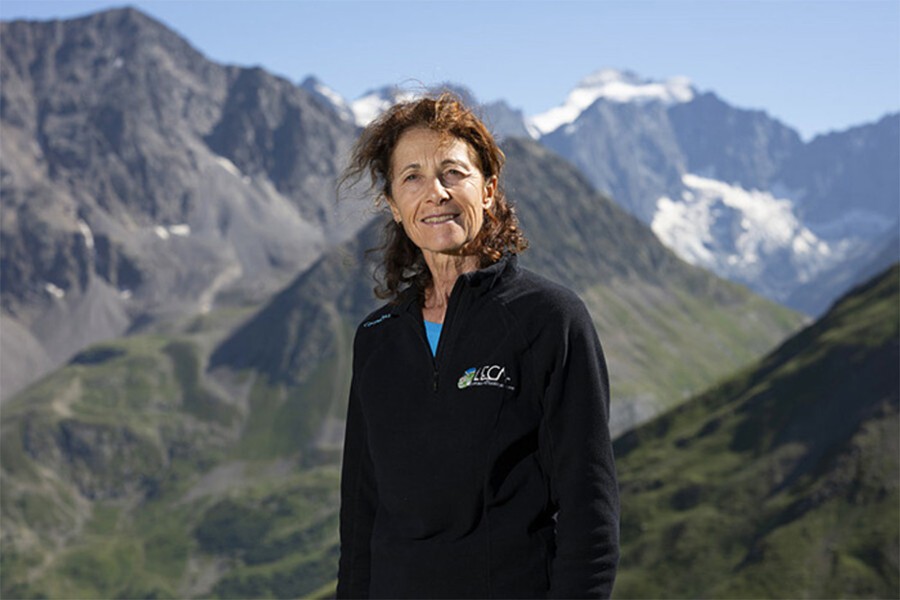
The CNRS Gold Medal, one of the most prestigious French scientific distinctions, has been awarded to the Sandra Lavorel, ecologist at the Laboratoire d'écologie alpine (LECA - CNRS/UGA/USMB). A specialist in the functioning of ecosystems, during her 30 years as a CNRS researcher she has revealed the contributions that biodiversity makes to human life, as well as the societal and economic impact of its alteration by environmental changes. She regularly contributes her expertise to public policy-making. The CNRS Gold Medal, along with a €50,000 prize from the CNRS Foundation, will be handed to her on 20 December 2023 during a ceremony at the Maison de la Chimie in Paris.
Accolade/Award

A new one-stop platform to apply for a master's degree in 2023

On January 23, 2023
The application process for Master 1 programs is changing! The e-candidate platforms specific to each university will disappear in favor of a new single application platform. As of 1 February, 2023, the monmaster.gouv.fr website will bring together all information on master's degrees on a national level for students who wish to register for the first year of a master's degree. Here is a closer look at the new registration procedures and schedule.

Stereo scientists refute the existence of sterile neutrons

On January 12, 2023
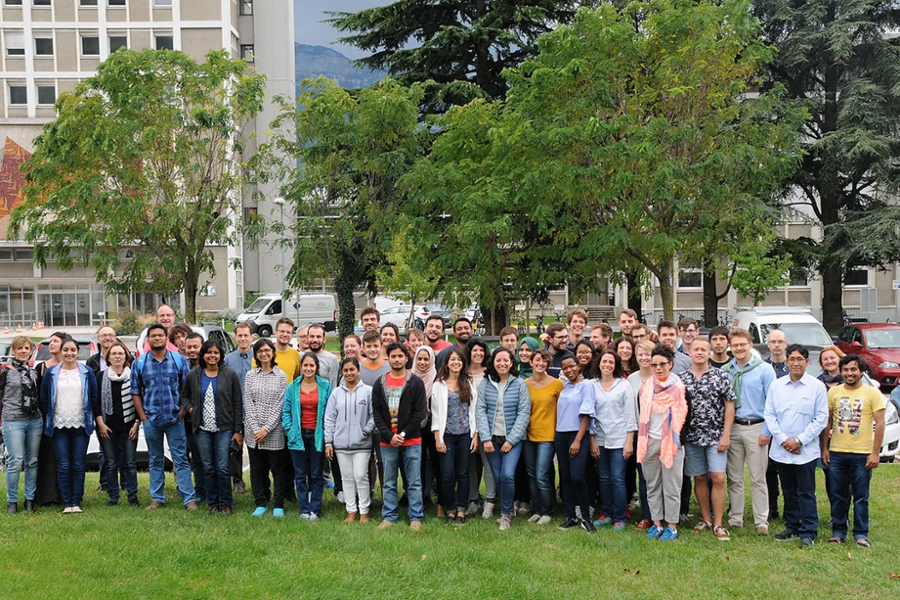
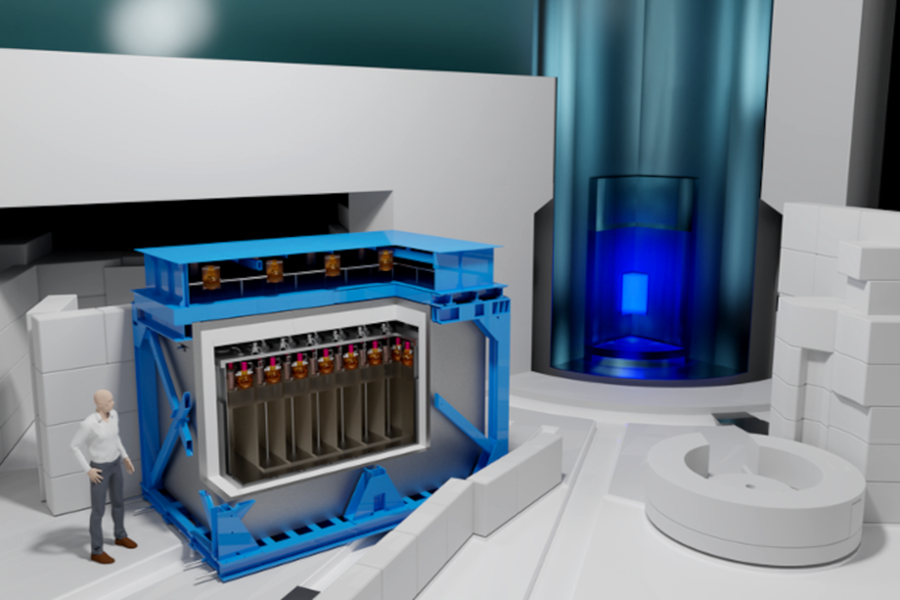
Stereo, the collaboration between the CEA, CNRS, the Université Grenoble-Alpes (UGA), the Université Savoie Mont Blanc (USMB), the Institut Laue-Langevin (ILL), and the Max Planck Institut für Kernphysik (MPIK), has found no proof that the sterile neutrino exists after six years of experimentation. Their conclusion will impact numerous branches of physics, with their study to be published on 12 January in Nature.

Discovery of world's oldest DNA breaks million-year record

On January 5, 2023
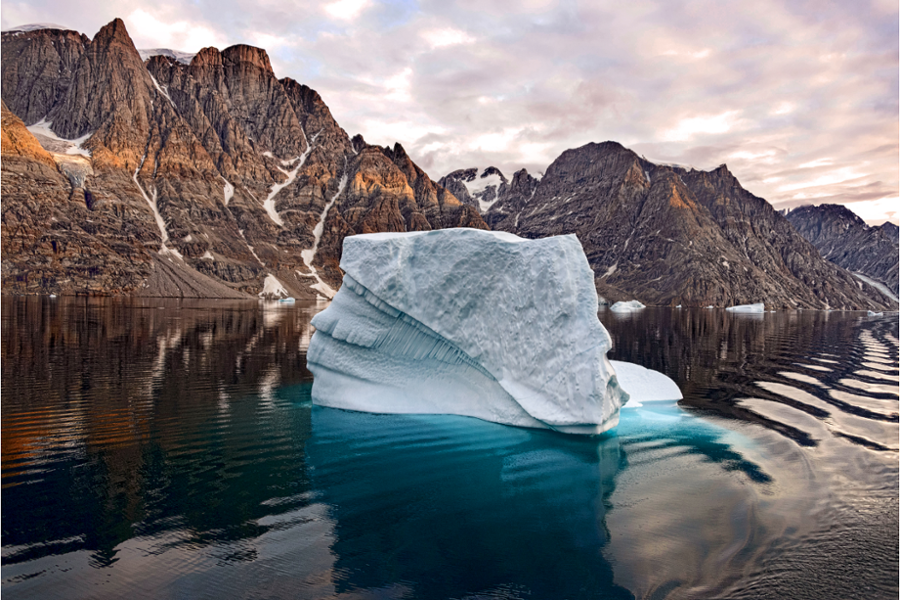
A new chapter in evolutionary history starts with the recent discovery of two-million-year-old DNA: Microscopic fragments of environmental DNA have been discovered in sediments from northern Greenland. Using state-of-the-art technology, the international research team, including scientists from Grenoble's Laboratoire d'écologie alpine (LECA - UGA / USMB / CNRS) and the Institut des Sciences de la Terre (ISTerre - UGA / USMB / CNRS / IRD / Université Gustave Eiffel), discovered that these fragments are one million years older than the previous record of DNA collected from a Siberian mammoth bone. These research results were published in the prestigious scientific journal Nature on 7 December, 2022.

Shanghai Thematic Ranking 2022: Université Grenoble Alpes in the top tier of French universities

On July 20, 2022
Université Grenoble Alpes ranked in the top 150 in the Shanghai 2021 global ranking, and has strengthened its position in the Shanghai 2022 thematic ranking, published on 19 July. It is now in the top 100 of the world's best universities in 15 disciplines, including five in the top 50 and one in the top 20. This performance allows UGA to maintain its position as the third French university after Université Paris Saclay and Sorbonne Université in terms of number of disciplines ranked in the top 100. This new classification also confirms UGA's position as the leading research-intensive university in the region, after the universities of greater Paris.
Top of page